Showing posts with label Healthy. Show all posts

First Aid When a Child Vomit in the Night
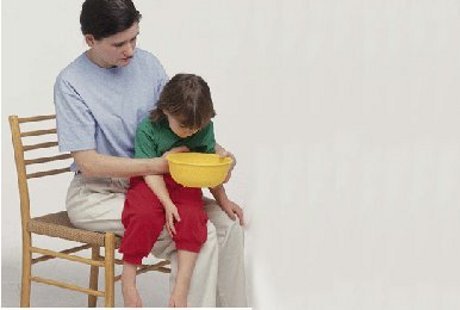


     Infants and children often experience vomiting and was considered unusual because it will improve within a certain age. But if there is prolonged, it can lead to a variety of immune disorders, motor disorders and behavioral disorders in children.

     At the age of infant vomiting disorder often occurs while under the age of 3 months to more than 3-5 times per day. Vomiting symptoms gradually improved when over the age of 3 months. Over 1 year complaints vomiting still exist although not every day, usually happen at night which preceded coughing. After vomiting children sleeping soundly as not to crash.

     In the age of the children, the habit of vomiting is reduced, it will usually arise only when crying, coughing, laughing loudly or running, or while in a vehicle.

If the child has vomited in the evening, the following actions can be performed:

1. If vomiting caused by travel, wipe it with a cold and damp cloth on the forehead and face, then let it go back to sleep.

2. Place a plastic bowl or other container near the bed if you feel nauseous again.

3. If it is not vomiting, give cola or ginger ale.

4. If vomiting with blood or pain in the lower right side of the abdomen, immediately contact your doctor.


First Aid When Experiencing Vertigo Headache


     When experiencing an attack of vertigo, a person will feel incredible headache until the world seemed dizzy spinning alias. Before getting medical help, there are some first aid that you can do at home.

     People with vertigo usually difficult to stand up and move because they feel incredible headache, even often times accompanied by nausea and vomiting. There are people who repeatedly relapse vertigonya even when it was taking medication. Symptoms of vertigo can indeed be lost, but if left with no obvious cause then sought vertigo can be more severe.

When attacked by vertigo, do the following:

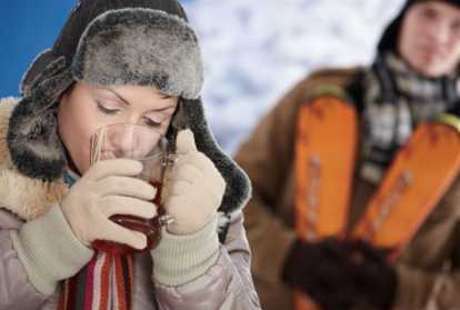
1. Give warm sweet drinks

2. If the attack is severe, may be given a sedative or anti-vomiting drugs

3. Search diagnostics and the exact cause. Symptoms of vertigo can be lost, but if allowed to get progressively worse.

First Aid If bitten Animal Rabies


Rabies has become epidemic in some parts of Indonesia such as Bali, Maluku and West Kalimantan. Rabies can be contracted from the bite of a dog, cat or monkey.

If anyone gets a bite from a suspected rabid animal, there are some actions to be taken are:

1. Immediately wash the wound with running water using soap or detergent.

2. Immediately brought to the health center or centers for rabies anti-rabies vaccine (VAR).

3. Continue to continue treatment with the examination.

4. Because the long incubation period of rabies, it took 2 weeks to see the results of vaccine injections are no symptoms of rabies.

5. If positive, it must again be repeated vaccine administration for 4 stages (starting at zero again, on day 7, day 14 and were given a booster vaccine at day-60).

6. It would be better if coupled with the provision of anti-rabies serum (SAR).

First Aid If bitten by Pets


     Pets such as dogs, cats or rabbits are relatively friendly to employers who maintain it. But sometimes pets can also bite. Dogs are more likely to bite than cats. However, cat bites are more likely to cause infection.

     Any of various diseases that are transmitted through the bite of many animals. So that if there are people around us who terkenan animal bites, at least we should be able to do something to deal with the condition.

First aid needs to be done if there is an animal bite include:

The bite in the form of minor injuries without the possibility of rabies

1. Wash the wound with soap and water.

2. Apply an antibiotic cream to prevent infection.

3. Cover the wound with a clean bandage.


In the form of bite wounds

1. If the cause wounds in the skin or skin badly torn and bleeding, press the wound with a clean, dry cloth to stop the bleeding

2. After the first act to stop the bleeding, then immediately contact the nearest hospital or doctor.

Bites that cause wound infections
If you notice any signs of infection such as swelling, pain, redness immediately contact your doctor or nearest hospital.

Bite wounds with suspected rabies
If the suspect is caused by animal bites that may carry the rabies virus, immediately wash the wound with running water mixed with soap or detergent. Immediately contact your doctor or nearest hospital.

First Aid If Body Less Oxygen At Up Mount


     Being in height with a little oxygen can lead to hypoxic conditions, ie when the body lacks oxygen supply. The mountaineers have to recognize the signs, and how to cope if you have these conditions, the blurred vision, faster breathing or wheezing, as well as the body becomes weak.

     Apart from the physical symptoms, hypoxic conditions can also be identified from changes in behavior. Under conditions of hypoxia, the brain will also be deprived of oxygen so that the mindset of a climber turned into a chaotic and difficult to make the right decision.

First aid when faced with this condition include:

1. Give oxygen. Small oxygen tube that can be carried anywhere very easily available in pharmacy at affordable prices, so there is no harm in the climbers equipped with this tool.

2. Loosen clothing so that breathing becomes more fluent. Open collar and removable belt so that the airways are not claustrophobic.

3. Take it to a lower location as soon as possible so he gets more oxygen from the air breathing. The longer is in hypoxic conditions, the greater the risk of organ damage because there was no oxygen supply

First Aid At Bitten by Venomous Snake


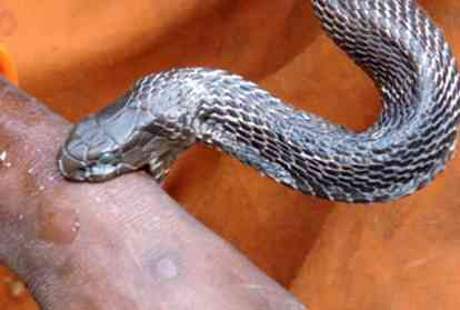
     When bitten by a snake, the first to do is to ensure the type of snake. If there is no trace of fangs, then certainly that is a venomous snake that bites its victims should get immediate first aid.

     Besides there is no trace of fangs, another hallmark of venomous snake bites is the emergence of pain accompanied by discoloration of the site of the bite within a few moments after being bitten. Within 10-15 minutes, the other accompanying symptoms are nausea, vomiting, dizziness, anxiety and sometimes shortness of breath.

First aid for snake bite victims are:

1. Do not panic. Not all snake bites can contain harmful, even though the bite is venomous snake species.

2. Reduce motion. Any unnecessary movement will only cause the venom to spread more widely through the bloodstream. Try to remain silent, as much as possible to use means of transport and do not walk to reach locations that provide first aid.

3. Wash the bite. If there is, use soap and lukewarm water to clean the wound as soon as possible.

4. Wash your eyes if contact could burst. Some species of cobras that live in Asia and Africa capable of spraying can kill without having to bite the victim. If these bursts of the eyes or other mucous layer thin, wash it with clean water.

5. Tie tightly around the wound area. Strong ties around the bite can prevent the spread of the poison to get further help. But for snake bites a poison or venom Derik is very strong, the risk of tissue damage at the site of the bite it will increase if tied.

6. Take it to the doctor as soon as possible. Serum anti-venom can be obtained at the health center or doctor's office. If in the course of the victim vomiting, place it in a sitting or lying position to ensure that vomit does not clog the airways.

7. Do not inject its own antidote. Antitoxin injection is needed immediately, but sebagiknya still done by a doctor or a skilled health worker. The presence of impurities in the syringe can sometimes even endanger the patient.

First Aid for Baby Seizures


     The child has a high fever is often accompanied by the emergence of seizures or known as the step. Febrile seizures usually occur in children aged 6 months to 5 years.

     The symptoms are the body jerks and starts stiff, drooling, vomiting, skin looks a little darker even a child to lose consciousness. Convulsions may occur within a few seconds to a minute, but in some cases seizures can appear very long to 15 minutes.

     In most cases, febrile seizures that occurred a few seconds generally harmless. But if it lasts long, repetitive and no immediate relief would cause harm such as brain damage or early symptoms of serious illness.

Some steps that parents can do if their child had a febrile seizure, namely:

1. Move the child to a safe place such as the floor or bed and away from dangerous objects.

2. Tilt your head to one side so he would not choke and facilitate discharge of saliva or vomit.

3. Loosen clothing used so that children do not experience shortness of breath.

4. Do not put or insert anything into the mouth during a seizure takes place, including giving medications.

5. If a child is difficult breathing or bluish skin immediately brought to the hospital or call an ambulance.

First Aid for Adult Choking


     Each person must have had a choking when eating or drinking something that could make it difficult to cough and to breathe. And breathing is one very important part of life for all humanity.

     The body had choked due to obstruction of the upper respiratory tract caused by food or other foreign objects that obstruct a person's breathing and make shortness of breath. Choking can cause a person to experience coughing, but if the airway is obstructed enough it can cause a person's death.

First aid can be done when people choke are:

1. Ask if he was choking on something, if it can still be answered clearly enough accompany the course. But if you can not answer these questions immediately provide relief.

2. Do not give any beverages, because the fluid can block incoming air.

3. Stand behind the person and put our arms around the belly, make a fist with one hand and thumb against the stomach while the other hand holding a fist.

4. With a sharp motion press arms up and into the stomach to remove foreign objects from the body.

5. A pat on the back or chest bone can cause coughing and remove the object. Foreign bodies should be removed from the hypopharynx or laryngopharynx, because it is part of the throat that connects to the esophagus.

6. If the foreign body can not be removed from the body, immediately bolt to the hospital, before they run out of breath.

First Aid for Heart Attack


     A heart attack is still a frightening disease. Many people thought it would be difficult to survive if a heart attack due to the handling of the seconds are so valuable. There are several things that can be used to provide first aid to people who had a heart attack.

If someone is experiencing symptoms of a heart attack, it can do the following:

1. Sit or lie down. Stop all activity and do not do a lot of movement. Many moves can exacerbate damage to the body caused by heart attack.

2. Phone emergency number for help. Immediately contact the nearest hospital or ask someone else to call the ambulance. Do not waste time to get the phone's personal physician, friend or other family members.

3. If your doctor has given nitroglycerin tablets, immediately taking the drug. The drug can be taken every 5 minutes once a tablet until the pain is gone. Do not consume if not given nitroglycerin tablets doctor.

4. Chewing aspirin origin does not have allergies. Aspirin will inhibit blood clotting and helps keep blood flowing to the artery. Chewing aspirin during a heart attack can reduce the risk of death by 25 percent.

5. Know the signs of heart attack and always take drugs iberikan doctor. Rapid relief can prevent serious damage to the heart and allows the patient to survive.

First Aid for Baby Choking


     Children under 3 years of age loves to put something in your mouth because that's where they got the satisfaction. Negative effects, infant choking risk.

     Choking occurs when a foreign object entering and inhibits the respiratory system so that the child choked. Any object whose size can get into the child's mouth is likely swallowed and lodged in the respiratory flow and cause choking.

     When choking, the child usually signaled by putting his hand on the neck. Other signs that may accompany the others are unable to speak, difficult breathing or breathing sound, can not cough, skin blackened lips and then lost consciousness or fainting.

Babies choke should immediately get help, as follows:

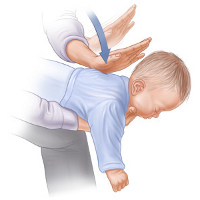
1. Put the baby in the tummy in the arm with the baby's head is lower than or chest.

2. Support the baby's head with the palm of the hand. Do not cover the baby's mouth or pressing or neck.

3. Use the heel of one hand to pat the baby's back 5 times, right between the shoulder blades baby.

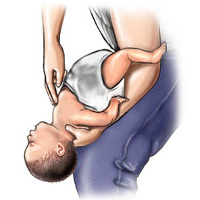
4. If the objects that cause choking are not well off, prop the baby's head and change his position to be flat on the thigh. Keep your baby's head lower than its body.

5. Give up to 5 times the pressure quickly to the sternum below the nipple baby using 2-3 fingers.

6. Continue to give 5 and 5 pats back pressure on the chest until the object out.

7. If the baby is unconscious, call an ambulance or take it to the nearest hospital.


First Aid in Patients with Asthma


     Asthma occurs due to inflammation of the airways due to too responsive to a stimulus. As a result, the airways become narrow and exacerbated by mucus. Patients will find it difficult to breathe, especially when exhaling.

     Asthma can be caused by allergies and psychological pressure. The signs are visible difficulty breathing with periods of long exhale. Sometimes accompanied by wheezing when you exhale, anxious, pale skin and blue, and if left unchecked can lead to fainting.

     According to Stanley M. Zildo as quoted from his book 'First Aid, How to Properly Handling First Aid and Emergency', requiring immediate treatment because asthma can be dangerous.

The steps that can be done include:

1. Reassure the patient

2. Bantu people to sit and rest

3. Bantu people get or find a cure

4. Let people use their own drug inhalernya

5. Avoid sources of allergy sufferers

6. If it is a first attack or seen a prolonged, immediately take medical services

7. If unconscious, immediately take it to the medical service

8. Do not force the patient to sleep on her back because people sit more comfortably in a state

9. Do not ask many questions in people, because usually it is difficult to speak

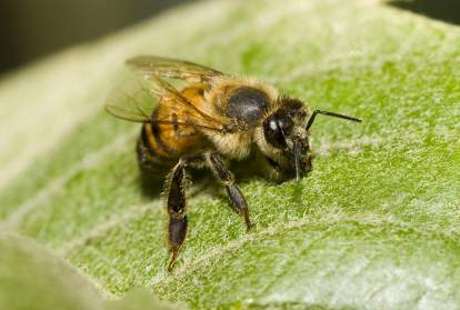
First Aid If Stung by Bees


     Injury from bee stings usually cause local reactions such as redness or swelling. However, if the victim is allergic to certain insect stings, then this can be life-threatening and requires immediate assistance.

     Harmful insects that have stingers are honey bees, ticks buffalo, wasps and fire ants. According to Stanley M. Zildo as quoted from his book 'First Aid, How to Properly Handling First Aid and Emergency', the dangerous symptoms of insect stings can be painful, swollen and red, itchy, and a sting or insect bite is hot.

Some of the actions that can be done immediately, namely:

1. By the time a honey bee stings, bee sting baisanya still stuck. Unplug sting carefully use a knife or a nail. Do not push because it can cause toxins to grow inside.

2. Wash sting area with soap and water.

3. Compress with cold water or ice to reduce the absorption and spread of venom.

4. Apply creams or lotions such as calamine, baking soda plus a little pasta water to reduce discomfort.

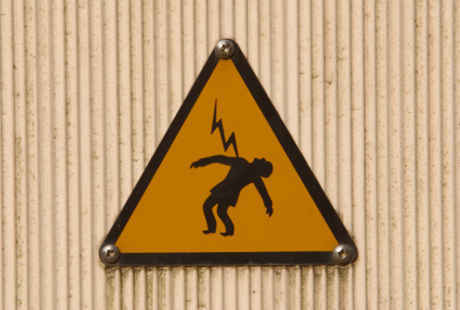
First Aid For Victims was Electrocuted


     High voltage power could be dangerous and fatal if the body. When I first saw people who were electrocuted, should be calm but wary. Do not touch the victim when the power is still on because the risk of shock was also

     According to Stanley M. Zildo as quoted from his book 'First Aid, How to Properly Handling First Aid and Emergency', there are some things you can do to minimize the risk of harm to the victim an electric shock.

The things that can be done to see if the victim was electrocuted, among others:

1. If possible, turn off the power source or dispatch someone else to turn it off.

2. It is important to move the victim with care. Wear pad dry as paper, cardboard, blankets, rubber mat or dry clothes.

3. Do not use materials from iron and wet materials. Do not touch the victim until he is free of the sting.

4. If victim is not breathing, open airways and do CPR, how that is:


  • Make sure the victim is placed on a flat surface. Clean the mouth and airway of vomit or fluids.
  • Tengadahkan the victim's head by placing your palms on the forehead and the other fingers pushing up the chin victims
  • Victim nose pinch using the thumb, then take a deep breath. Put your mouth on the victim's mouth open, inflatable quickly 2 times.
  • Stop blowing when the victim's chest is expanded. Remove the mouth of the victim's mouth, then hold your ear to hear the victim's nose breath.
  • Note the victim's chest, is there any movement up and down the sign he was breathing.
  • Repeat this procedure breaths until the victim can actually breathe on their own.


First Aid for Fainting Victims


     Fainting is a state of unconsciousness caused by reduced blood supply to the brain. Recovery from fainting can be done after a few minutes. Before fainting, most victims experience symptoms of pale skin, cold and clammy, dizzy eyes and dizziness.

     According to Stanley M. Zildo as quoted from his book 'First Aid, How to Properly Handling First Aid and Emergency', collapse can be prevented by the victim lay down and lift the leg as high as 15-25 cm. It could also seated with his head touching knees bent.

However, if the fainting has occurred, it can be done the following:

1. Lay the victim, lift the leg as high as 15-25 cm although there is a possibility his head hurt.

2. Open the breathing, perform artificial inhalation if necessary.

3. Open the clothes, especially around the neck of the victim.

4. If the victim vomits, tilt or turn his head to prevent choking.

5. Slowly, wiping her face with cold water and do not pour into the victim's face.

6. Check back throughout the body to see if there is swelling or deformation caused by a fall.

7. Do not be drinking even though the victim is recovered.

8. If help does not work in a few minutes, take the victim to a doctor or a paramedic.

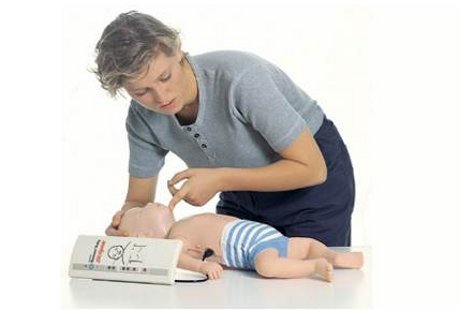
First Aid If Baby Fainting


     Babies who are unconscious or fainting obviously panicked. Parents or anyone close to him to provide first aid CPR (cardiopulmonary resuscitation).

     Bones baby is still very vulnerable and need special tricks to be able to help him breathe again without hurt him or unconscious.

When seeing the baby unconscious, there are steps that can be performed first aid, namely:

1. Security and health checks (Danger)
Make sure the parents put the baby in a flat and do not in bed. Then note that the area is safe from danger sekitarya.

2. Check response from the child (Response)
To find out if the baby is still conscious or not, can mengelitik or rubbing your palms and feet. If the baby is still unconscious, then the baby will automatically respond. An active baby move both limbs are.

3. Open lines of breathing (Airway)
To help open the lines of breathing the baby, simply by pulling on the baby's forehead slightly backwards without the need to pull the chin.

4. Give artificial breathing (Breath)
In infants, resuscitated given simply by blowing it twice and did not need to cover the baby's nose. Parents simply close the baby's mouth and nose with his mouth at the same time, because the distance between the mouth and nose when the baby is still close.

5. Give pressure (compressions)
In providing enough pressure to use two fingers and one finger is positioned below the nipple line. Pressure exerted quite one-third of the depth of the chest and carried 30 times.

Apply 2 breaths and 30 times the pressure (2:30) over and over as much as 5 sets or for 2 minutes. After that, check to be sure your baby can breathe again or not by checking the breathing path.

If it is normal breathing, place in recovery position, which is carrying a baby with a straight horizontal or inclined position on a flat.

Although the baby was breathing normally again with the help of CPR, parents should still take him to the hospital for further examination.

First Aid Poisoning Victims


     Food poisoning is very apt to occur if not careful in storing or cooking food. In addition, materials such as household cleaners or detergents also contain chemicals that are harmful if swallowed. To that end, the victim of poisoning needs to be addressed immediately.

     Immediately call the paramedics or take the victim to the nearest hospital. Include all the information about the age, type of poison ingested, how much poison is ingested, when the event occurs, the victim suffered vomiting or not and how long it will take to bring the victim to the hospital.

Emergency treatment can be given to victims of poisoning include:

1. Reduce levels of toxins that remain in the stomach by giving the victim drink water or milk as soon as possible. Do not give juice or vinegar to neutralize the poison.

2. Try to remove toxins by stimulating vomiting.

3. Keep the victim to vomit with her face down with the head lower than the body down so as not to choke.

4. Take it immediately to the nearest hospital emergency room.

5. Do not give drinks or trying to regurgitate the contents of the victim's stomach when he was in a stupor. Do not try to vomit it up if you do not know what poison is swallowed.

6. Do not try to regurgitate the victim when ingesting materials like toilet cleaner, stainless liquid, bleach, washing powder, gasoline, kerosene, paint thinner and lighter fluid.

Acid will cause more damage to the stomach or esophagus if vomited. While petroleum products that can be spewed into the lungs and cause pneumonia.

First Aid to Women Miscarriage


     The event was the release of fetal miscarriage in pregnant women prior to abortion up to 20 weeks. Data indicate that pregnant women miscarriage can reach 20% of pregnancies.

     According to Stanley M. Zildo as quoted from his book 'First Aid, How to Properly Handling First Aid and Emergency', the signs of miscarriage was feeling cramps in the lower abdomen and bleeding followed. Although sometimes cramping and bleeding has not occurred, if there are signs of suspicious about her pregnancy, then take him to the doctor to confirm pregnancy status.

If you feel any signs of miscarriage, do the following:

- Stop all activity.

- Perform relaxation. Set a breath and calm your mind

- Lying in bed

- If there is something out of the vagina, store them in a special container to be checked by a doctor

- If bleeding occurs and continues, take him to the emergency room

First Aid at Sprain


     Sprain is a term often used for ligament injuries in the joints or muscles. Muscles supporting joints that serve both the bone joint body to stretch or tear.

     Symptoms of a sprain are pain and swelling in the joints, when palpated feels soft and blackened or bluish skin color in around the wound.

     According to Stanley M. Zildo as quoted from his book 'First Aid, How to Properly Handling First Aid and Emergency', when it is not known whether the victim was injured with a broken bone or sprain, possible aid for fractures.

Here is the first aid for sprains:

- Use cold water or a bag of ice and place it on the injured area.

- Use a splint to support the injured area using a blanket, quilt or pillow. Remove if there is swelling.

- Keep the injured area in a higher position than the heart organ.

- Do not let the victim walk alone

- Do not soak the wound with warm water early in the event of injury. Perhaps soaking after 24 hours.

- Bring to remedy medical help determine whether there is a fracture.

First Aid in Minor Burn Injury


The purpose of first aid in burns is to reduce pain, prevent infection, and overcome the shock events that may be experienced by the victim. The trick is to lower the ambient temperature so as to prevent a burn injury to the underlying tissues grown worse.

Based on the severity, there are three levels of burns. I degree burns are minor burns to the level of tissue damage only in the outer layer of skin. An example is the skin exposed to the sun or direct contact with hot objects like water boiling. Such burns are usually not accompanied kelepuhan the skin.

According to Stanley M. Zildo as quoted from his book 'First Aid, How to Properly Handling First Aid and Emergency', the symptoms of this form of minor burns on the skin redness burning, mild swelling, skin pain but none were torn apart because of a blister.

When experiencing or saw burns victims stage I, first aid to do is:

1. Flush the wound with running water burning or compress with cold water. Do it until the pain disappears.

2. Close the burn with a sterile gauze to prevent infection.

3. Do not let the butter or oil on burns.

4. Do not give other medications or herbs without the doctor's approval.

First Aid in Medium Burn Injury


Injuries caused by exposure to flames or hot objects can be very painful. Affected skin may blister burn even when exposed to high temperatures. The cells that come into contact with the heat will die. Therefore, burns should receive treatment quickly.

Moderate burns or second degree burns are burns that cause damage to the lining under the skin. Examples are excessive sunburn, heat fluid and sparks from gasoline or other materials.

According to Stanley M. Zildo as quoted from his book 'First Aid, How to Properly Handling First Aid and Emergency', the symptoms of this second degree burns to the skin such as redness, blistering, swelling that does not go away for a few days and the skin looks damp or muddy.

When experiencing or saw burns victims stage II, first aid to do is:

1. Pour cold water or water ice on the injured area or give a compress using a washcloth. Can also use a handkerchief previously dipped in water.

2. Dry the wound use of clean towel or other soft material.

3. Cover with a sterile bandage to prevent infection.

4. Lift the injured arm or leg higher than juantung organ.