Showing posts with label Treatments. Show all posts

Want to Slim Body? Try These 9 Nutrition



     To be a successful weight-loss diet, a person does not have to exercise and eat healthy food, but also must be able to control their appetite. Some of the food choices you can make healthy alternatives to curb excessive appetite.

     Some foods that are rich in fiber, protein and fat is considered capable of causing effects full longer, because it takes longer to pass through the digestive system.

Here are 9 foods that can help suppress appetite, as reported by FoxNews, Tuesday (01/22/2013), among others:

1. Almonds

Almonds are the largest source of healthy fats is best used as a snack between meals is great, as long as the amount is not excessive. Snacking on almonds about half an hour before meals can reduce the effects of hunger and curb excessive appetite.

If you reach the point of being very hungry, you'll be tempted to eat more than the body needs and this can promote weight gain.

2. Meat

Meat contains protein and high fat content, so it is more slowly digested than most other foods. Someone also takes longer to chew the meat, it can contribute to the brain to feel full.

Numerous studies have shown that there is no difference between beef, chicken and fish in full, but the fish and skinless chicken meat is more nutritious and better for overall health.

3. Oatmeal

Oatmeal has a dense structure and texture of the food is solid, it can give full effect in the stomach. Breakfast with oatmeal will make you feel full until lunch time and were able to curb excessive appetite.

In addition, the specific content of oatmeal can help lower cholesterol by increasing bile production to combat bad cholesterol and remove it from the body.

4. Cottage cheese

During this cottage cheese has become a healthy snack choice for bodybuilders, because of the lower fat than other cheeses. Additionally, cottage cheese is also a good source of protein, especially casein, which can suppress appetite.

5. Soup

Soup as an appetizer or snack to help control the size of your portions. A study from Pennsylvania State University found that when people eat a bowl of chicken soup before eating rice at lunch, meals can reduce calories by about 100 calories.

If you are trying to lose weight, choose soups that contain more vegetables and meat. Act of chewing the contents of the soup can help trick the body to feel full longer.

6. Nuts

Nuts that includes peas or lentils are an excellent source of vegetable to control appetite. Wore a high content of fiber and complex carbohydrates take longer to digest.

Research has shown that nuts can help lower your appetite because it contains certain compounds called trypsin inhibitors and lectins. The compound works by promoting the release of a hormone called cholecystokinin (CCK), which slows the emptying of the stomach and helps you feel full.

7. Water

Although the water fairly quickly through the digestive system, but it can help reduce appetite. Often a person misrepresents himself dehydration with hunger and make it take the food back.

By keeping the body hydrated throughout the day can help you stay alert, so as to prevent you from grabbing unhealthy food to the stomach. Drink a glass of water before a meal can help fill the stomach while, making it easier to control your portions.

8. Pure Yogurt

Pure yogurt that contains no added flavorings, contain more protein and other nutrients that can suppress appetite. The texture of the thick yogurt cream also helps trick the brain into feeling fuller.

9. Avocado

Avocado has a thick creamy texture and contains monounsaturated fat sound, so the body takes longer to digest. It can help suppress appetite. Avocados are also a good source of soluble fiber because it can form a thick gel during its passage through the colon and slows digestion.
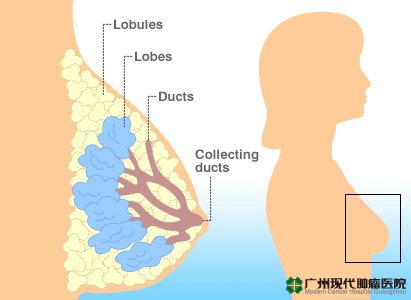
Breast Cancer


How high incidence rates of breast cancer?

The incidence rate of breast cancer is a malignant tumor occupying the whole body of 7% -10%. Women in their lifetime probability of breast cancer reached 10%. Around the world each year about 1.2 million people with breast cancer. 400,000 people died due to breast cancer, the death rate per year increased 2% -3%, incidence rate per year increased 0.2% -8%.

Any danger of breast cancer?

1. Threaten the lives and health of women.

2. Risk of cancer metastasis.

3. Have the possibility of recurrence of cancer.

4. Cause atrophy of muscles in the arms and upper limb.


     What Are The Causes of Breast Cancer?

     Factors such as infertility, parity bit, the old age of menopause, premature puberty, history of benign breast disease, family history of breast cancer, oral contraceptives, radiation exposure has certainly nothing to do with breast cancer.

     The cause of breast cancer can not be completely confirmed, several factors that have been demonstrated is still a matter of controversy. The hormone estrogen before and after menopause become a significant factor stimulates breast cancer. Besides genetics, diet and mental closely related to the occurrence of breast cancer.

     Breast Cancer Symptoms, What's It?

     1. One side feels slightly sore breasts or one side of your back feel stiff and uncomfortable.

     2. At the palpable breast lump feels there peanut painless.

     3. The skin on the lump protruding.

     4. The skin on the chest mencekung or wrinkles.

     5. Putting milk into erosion or asymmetric.

     6. The skin of the breast becomes thick and coarse, and enlarged pores.

     7. There's nipple fluid (nipple discharge), bloody fluid.

     What are the methods of diagnosing breast cancer?

     1. Check-up every month: every woman should check for themselves on the fifth day after menstruation. The trick is soaped hands, Touch the breast with the middle finger and index finger clockwise and axillary and clavicular fossa.

     2. Palpation physicians: specialists who bepengalaman by means of palpation to determine whether there is a tumor in the breast, it can filter out some breast cancer patients.

     3. B-Ultrasound: B-Ultrasound examination can determine the type and location of the tumor.

     4. X-Ray Mammography: Mammography X-Ray to be able to get a clear picture, can check palpate small tumor buds are hard to find.

     5. Biopsy Cytology: study of the B-Ultrasound and Mammography X-Ray done if there is a tumor or abscess that can not be distinguished, then had to perform diagnostic certainty puncture lesions.

     What Is Traditional Method of Treatment of Breast Cancer?

     1. Breast-conserving surgery: mengeksisi tumor and a small amount of surrounding tissue.

     2. Radical mastectomy: mengeksisi the entire breast, including the presence or absence of axillary lymph nodes.

     Breast Cancer Treatment Methods There Any?

     Post-Surgical Treatment Methods

     1. Continuous exercise of the shoulder joint after surgery.

     2. Get plenty of rest when he gets out of the hospital, appropriate exercise, such as jogging and tai chi.

     3. Keep your diet, high nutrition, healthy lifestyle habit.

     Psychological Treatment Methods

     1. Regular inspections to the hospital.

     2. Keep your mood and mental state either.

     3. Support and warm atmosphere of the couple and the family.

     4. Immediately provide enlightenment and persuasion.

Best Breast Cancer Treatment Methods

Multidisciplinary team formed by breast surgeons, pathologists, radiation oncologists, oncologists minimally invasive, breast care nurses and translators, based on the condition and symptoms of breast cancer patients by consulting experts to ensure effective diagnosis, treatment and control of disease, increasing the probability treatment of breast cancer patients.


Cervical Cancer


What is cervical cancer?

  Cervical cancer is a malignant tumor develops in uterovaginal portion or cervical canals. Its high incident age is around 50. Besides, it inclines to occur in the females who are married and give birth to babies early, or are proliferous or infected by HPV. In recent years, the incident age of cervical cancer is tending to young females.

  What are the incidence and death rate of cervical cancer?

  The incidence of cervical cancer rages second of all female cancers. Each year, there are about 53,000 new developed cases globally, 85% of those cases are from developing countries.
  About 76,000 people dies of cancer every year all over the world, which takes up 13% of global deaths. Among them, the death number of cervical patients is closed to 27,000 and 88% of them are in developing countries.

  What causes cervical cancer?

  70% cervical cancer cases arouse from human immunodeficiency virus(HIV). Besides that, smoking and human immunodeficiency virus(HIV) can cause cervical cancer. Other risk factors are also mutually related to each other to lead to cervical cancer.
  Other risk factors of cervical cancer include choamydiae infection, improper eating habits, or frequent contact or taking of harmonic medicines, family history of cervical cancer, or taking oral contraceptives often, having sex and bearing baby in an early age, prolificacy and so on. All those risk factors would possibly cause cervical cancer.


       What are the symptoms of cervical cancer?

  1. Irregular menses or bleeding in vagina after menopause.
  2. Vaginal discharge increases and presents white or sanguinloent with fish stench.
  3. Symptoms like frequent and urgent micturition, constipation and so on occur.
  4. Terrible pain appears in different parts of body.
  5. Emaciation, anemia, fever and general exhaustion and other symptoms present.

  Screening methods of cervical cancer

  1. Have gynecologic examination regularly can detect cervical cancer early.
  2. Cervicitis may probably change to cervical cancer that positive treatments should be performed once cervicitis is found.
  3. To know the early symptoms of cervical cancer so that once any similar symptoms occur, the patient can go to hospital right way.

  Diagnostic methods of cervical cancer

  1. Cervical scraping smear examination. It has to perform in gynecologic examination or cancer detection for married women.
  2. Iodine test is to observe cervix by vaginoscopy. Wipe out the mucilage on the surface of cervix, apply 2% iodi liquor directly on cervix and vaginal mucosa. The area cannot be stained means positive. Biopsy samples should take from the areas presenting abnormal negative to iodine.
  3. Biopsy. When cervical biopsy indicates negative, samples for biopsy should be taken from the point 6,9,12 and 3 of squamous cell juncture of cervix, or use small curet to scrap cervical canals and send the scrapping material for biopsy.
  4. Vaginoscopy. It cannot diagnose cancer directly, but has to coordinate with biopsy.
  5. Conization of uterine cervix is applicable when biopsy cannot confirm if cancer infiltration occurs.

  Clinical stages of cervical cancer

  Stage 0: the cancer cells are still limited in cervical intraepithelial regions. The cervical cancer in stage 0 is also what we call primary cancer.
  Stage I: the cancer cells localize in cervix and encroachment occurs.
  Stage Ⅱ: the cancer cells have encroached to vagina but do not cover 1/3 of vagina, or have encroached to paracervical connective tissues but do not reach pelvic wall.
  Stage Ⅲ: the encroachment has reach the lower 1/3 of vagina or the cancer cells have encroached to cavum pelvis and bilateral hydronephrosis occur.
  Stage Ⅳ: cancer cells have spread out from generative organs or surpass cavum pelvis to encroach to rectum, gall bladder or other distant organs.

  What are the traditional treatments for cervical cancer?

  1. Metrectomy is the most common treatment for cervical cancer, which includes:
  1) Total hysterectomy, it will remove cervix and uterus.
  2) Radical hysterectomy, it is to remove cervix, uterus, upper vagina, ovaries, oviducts and affected lymph nodes.
  2. Radiotherapy includes external radiation exposure and intra-cavitary irradiation. Cervical cancers from different stages can have radiotherapy. But it would hurt the ovarian functions of those females before menopause.
  3. Chemotherapy for cervical cancer is using chemicals in treatment, which is applicable to the patients from late stage or are suffering from recurrent cervical cancers. But the toxic side effect is heavier that some weak cervical cancer patients normally cannot stand that.

  Post operative care of cervical cancer

  1. Mental care. Cervical cancer patients may easily develop the emotions like fear, anxiety, upset and so on. The family should care and support the patient at moments.
  2. Hygiene care. Wash the cunnus and urinary meatus twice a day to keep cunnus clean and apply antibiotics to prevent wound infection.
  3. Exercise care. Have exercises like abdominal breathing and drawing up the anus, that can enhance the contractility of urethra muscle and sphincter urethrae and help the injured nerves of gall bladder recover.
  4. Diet care. Have the foods that are rich in vitamin, proteins and easy for digestion to enhance the resistance of cervical cancer patients.

  The best treatment for cervical cancer

  A multidisciplinary team composed of surgeons, pathologists, radiation cancer experts, minimally invasive oncologists, nurses for cancer nursing and interpreters carries out expert consultation according to symptoms and conditions of patients with cervical cancer and then gives treatment plans that are most applicable to the patient, in order to greatly improve the therapeutic effect of cervical cancer patient.

  Characterized therapy of Chinese medicine in treating cervical cancer

  Traditional Chinese medicine can regulate the balance of body and strengthen the resistance to fight against tumor. Modern Cancer Hospital Guangzhou combines Chinese medicine and other cancer treatments together, while at the same time integrates the advantages of both Chinese medicine and western medicine, which can effectively improve the cure effect of cancer treatments.

  What kinds of supports can be obtained?

  Practice proves that the clinic team services composed by multiple disciplines like oncosurgery, oncology, pathology, imageology and anesthesia doctors as well as professional nurses, can provide patients with most effective, most suitable and most economic treatment plan, and also can greatly improve the therapeutic effect of treating cancer patients.
  “One station” medical system constructed by Modern Cancer Hospital Guangzhou combining multiple disciplines, can perform comprehensive diagnosis and treatment for patients under the condition of without adding patients’ burden. Therefore, on one hand, it can provide all-round and heartfelt medical services, and on the other hand, it improves medical efficiency and level. There are many channels can be applied to conduct the communication between patients and doctors, like online consultation, email, telephone conversation, and face-to-face consultation. All these consultation services can effectively help patients to fight the cancer. While the medical team faced by the patients includes doctors, nurses, dietitians, interpreters and so on to meet various demands in different level of different countries. Patients would be more confident under the unobstructed communication environment to cooperate the hospital to diagnose and treat the diseases.

What Are the Traditional Treatments for Brain Cancer?

Brain cancer is a commonly-seen malignant tumor. Its morbidity and mortality is increasing year by year. To ensure good health, periodical physical examinations are required. Do not be caught up in panic once has been suffering from brain cancer, instead, active cooperation with doctors’ treatment is recommended to achieve effective control on brain cancer.


1、Chemotherapy is a commonly-used method for all kinds of cancers, and brain cancer is not an exception. By now chemotherapy has achieved a great improvement in treating brain cancer, but due to special construction of blood-brain barrier, chemotherapy has been confined by many factors. Any drugs of chemotherapy can penetrate endangium cells due to liposolubility, and then enter and work on cancer cells. Such mode has influenced the speed and efficiency of drugs action.
  2、Radiotherapy applies radioactive rays, γ-rays or high velocity neutron ray to treat cancer cells. Radiotherapy mainly adopts the characteristics that cancer cells are extreme sensitive to radioactive rays and can be easily damaged by these rays to perform treatments. The scale of radiation scope and dosage shall be defined as per tumor cancer pathologic diagnosis, differentiation degree and results of imageology examinations. For the in-depth brain tumor that cannot be safely cut, radiotherapy can be applied; however, the process of radiotherapy may cause relatively big toxic reaction or side effect.
  3、Surgery is a direct method for treating brain cancer. For primary brain cancer, surgery can be applied to cut the tumor to maximally eliminate cancer cell thoroughly and avoid cellular proliferation after surgery to further prevent brain cancer recurrence. Such treatment is commonly used while the potential of recurrence after surgery is relatively high.
  Minimally Invasive Therapy for Brain Cancer
  Modern Cancer Hospital Guangzhou has introduced advanced cancer treatment facilities that feature many characteristics like minimally invasive, pain-free, quick recovery and so on. Tumor experts shall work out a series customized and suitable treatment plans for the brain cancer patients as per their different condition, symptoms through the way of expert team’s consultation.
  Brain cancer experts of Modern Cancer Hospital Guangzhou are able to combine interventional therapy, Ar-He knife, TCM, radioactive particle, bio-immunotherapy and photodynamic knife with minimally invasive technologies together to treat brain cancer. This can not only avoid the shortcomings like poor therapeutic effect and big side effect that traditional therapies own, but also improve the therapeutic effects and living quality of brain cancer patients.